For venues/the press, you can find short (150 words), medium (300 words), and long (600 words) bio lengths on the EPK Page.
Quotes"All of these achievements are impressive enough, but it is Bijan’s personal charm and outgoing personality that have earned him the many performance opportunities in such a wide spectrum of musical endeavors."
-- Robert Estrin, LivingPianos "He is easily able to adapt to any musical setting." -- Brett Ecklund, KX 93.5 FM Jazz Quest Radio Host |
About: Bijan TaghaviBijan Taghavi is one of the most in-demand sidemen of his generation and among the leading voices in jazz piano education.
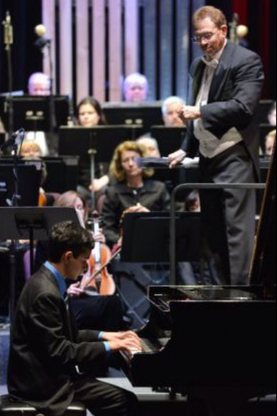
As a collaborator, Bijan is known for being "able to adapt to any musical setting” (Brett Ecklund/KX 93.5 FM Jazz Quest Radio). He has worked with Carmen Lundy, Ron Carter, Stefon Harris and Joe Lovano. Currently, Bijan is the pianist for The Rodney Whitaker Group and performs regularly at Michigan’s leading venues: Cliff Bell’s, Detroit Symphony and Dirty Dog Jazz Cafe, among others. Bijan is also a member of Will Lyle’s TrioGram which recorded their debut album in August 2022, featuring 2 of Bijan's compositions: “Changes” and “Lalyc’s Groove”. Subsequently they toured Mexico, Europe and the United States, performing alongside Lewis Nash, Joe LaBarbera and Mark Ferber. As a leader, the Bijan Taghavi Trio toured Japan in December 2018, including performances at Urayasu Concert Hall in Chiba, Live House ENN in Sendai, Live House ROXX in Aamori and Nogata Kumin Hall in Tokyo. Bijan also curated a Duo Series at the National Arts Club NYC, which included collaborations with Dick Oatts, Rich Perry and Jay Anderson. Alongside a busy performing career, Bijan is an Adjunct Professor of Jazz Piano at Hillsdale College. His experience has helped refine his comprehensive and unique method for teaching jazz piano, improvisation and harmony. He launched his unique Video Exchange Lessons during the COVID-19 Pandemic, where he has built an extensive lesson library of over 700 videos and PDFs and has an online studio of 40 students from Spain, Canada and all over the world. During the Pandemic, Bijan was also a guest panelist for "Hearin' The Changes”, Luther Hughes' weekly masterclass at California State University, Fullerton alongside renowned jazz educators Bert Ligon, Bill Cunliffe, Chuck Israels and others. Bijan has taught classes in Beginning Improvisation and Advanced Musicianship at Michigan State University and is also an educator for JazzPianoSchool.com where he has written over twenty articles and produced instructional videos for their Artist Highlight and Gig Analysis series’. Also a sought-after composer and arranger, Bijan has written works for studio orchestra, big band, string quartet, and performed his original music at the John F. Kennedy Center for the Performing Arts as part of the Betty Carter Jazz Ahead Residency. Bijan was inspired to play the piano at the age of three from a film entitled El Dorado, which featured Bijan's idol, Elton John. He was classically trained under the mentorship of Robert Estrin, studying the monumental works of Rachmaninoff, Liszt, Chopin, Beethoven and Bach. Together, they toured California as part of Robert's LivingPiano: Journey Through Time: Historic Concert Experience where they explored the history of the keyboard in musical performance, dressed up in period costumes. Bijan played the role of “Young Mozart” by performing Mozart's works on the fortepiano. Bijan also performed numerous classical solo piano recitals, accompanied Metropolitan Opera Singer Eric Jordan, and performed the Grieg Piano Concerto with the South Coast Symphony as a first-prize winner of the Young Stars of the Future Competition. Bijan’s foray into jazz began his junior year of high school after a performance with Grammy Latin jazz Artist Nestor Torres at SOKA Performing Arts Center. Aided by his perfect pitch, Bijan assimilated the music instantly. Soon thereafter, Bijan discovered the music of Oscar Peterson and Kenny Barron. A recipient of the Presser Foundation Scholarship, Bijan then earned his Bachelors of Music in Jazz Piano Performance at the Manhattan School of Music and his Masters of Music at Michigan State University; he has studied with Phil Markowitz, Fred Hersch, Garry Dial and Xavier Davis. |